
When Does a Tooth Need a Root Canal? Finding the Right Dental Care in Chandigarh
Published Date: November 23, 2026 Last Update: November 23, 2026
Author: Dr. Kritika Bansal
A persistent toothache can make everyday activities uncomfortable. You may notice pain while chewing, sensitivity to hot or cold foods, or discomfort that becomes more noticeable at night. While these symptoms can have several causes, they sometimes indicate inflammation or infection inside the tooth.
In such cases, root canal treatment may help preserve the natural tooth instead of removing it. The important part is identifying the problem early and choosing an appropriate treatment plan.
If you are searching for the best dentist in Chandigarh for tooth pain or root canal treatment, understanding the signs, procedure, and role of an endodontist can help you make a more informed decision.
What Happens Inside a Tooth When Root Canal Treatment Is Needed?
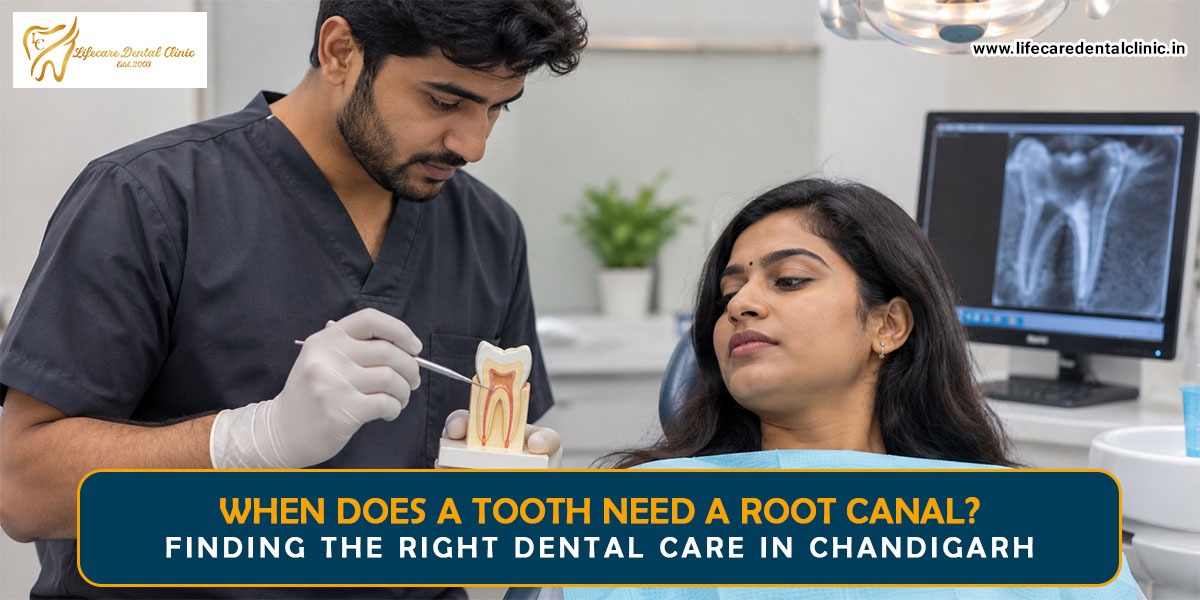
A tooth has several layers. The outer enamel protects the crown, while dentin forms the layer beneath it. At the center is the dental pulp, which contains nerves and blood vessels.
Deep tooth decay, cracks, repeated dental procedures, or physical trauma can damage the pulp. When the pulp becomes irreversibly inflamed or infected, simply filling the tooth may no longer be enough.
Root canal treatment addresses this problem by removing the affected pulp tissue, cleaning and disinfecting the root canal system, and sealing the space with an appropriate filling material. The tooth can then be restored to help it function during normal chewing.
The purpose is not to remove the entire tooth. It is to preserve the remaining natural structure whenever possible.
Signs That You May Need a Root Canal
Not every toothache requires root canal treatment. However, certain symptoms should prompt a dental examination.
1. Persistent or Spontaneous Toothache
Pain that occurs without an obvious trigger or continues after eating and drinking may indicate inflammation within the tooth. Some patients experience discomfort that interrupts sleep or becomes more intense when lying down.
2. Prolonged Sensitivity to Hot and Cold
Brief sensitivity can occur for several reasons. However, if the discomfort continues after the hot or cold stimulus is removed, it may indicate a problem involving the dental pulp.
3. Pain While Biting or Chewing
Discomfort when putting pressure on a tooth may be associated with inflammation around the root, a crack, or another dental problem. An examination is necessary to identify the actual cause.
4. Swelling Around the Gums
A localized swelling, recurring gum pimple, or discharge near a tooth can sometimes indicate an infection around the root. These symptoms should not be ignored, even if the pain temporarily decreases.
5. Tooth Discoloration After an Injury
A tooth that becomes darker following an accident or impact may have experienced internal damage. A dentist can assess whether the pulp remains healthy or requires treatment.
These signs do not confirm the need for a root canal on their own. A clinical examination and appropriate dental imaging help establish the diagnosis.
What Is the Difference Between a Dentist and an Endodontist?
When looking for a dentist for root canal treatment, you may also come across the term *endodontist*.
An endodontist is a dentist who has completed additional specialized training in diagnosing and treating diseases and injuries involving the dental pulp and tissues surrounding the roots.
General dentists can also perform root canal treatments when they have the appropriate training and experience. However, certain cases may require specialist care.
For example, an endodontist may be particularly helpful when:
- The tooth has unusually curved or complex root canals.
- A previous root canal has not healed as expected.
- The infection or symptoms persist after treatment.
- A root canal needs to be repeated.
- The tooth has complicated anatomy or other treatment challenges.
If you are searching for a best endodontist in Chandigarh, consider the complexity of your case, the professional's qualifications, and their experience with the specific procedure you need.
What Happens During Root Canal Treatment?

Understanding the procedure can help reduce uncertainty before your appointment. Although the exact process depends on the tooth and the extent of damage, treatment generally involves the following steps.
1. Examination and Diagnosis
The dentist reviews your symptoms, examines the affected tooth, and may recommend dental X-rays or other imaging. This helps assess the roots, surrounding bone, and extent of infection or damage.
2. Local Anesthesia
Local anesthesia is generally administered to numb the affected area. This helps make the procedure more comfortable while the dentist works on the tooth.
3. Accessing the Root Canal System
A small opening is made in the tooth to reach the pulp chamber and root canals. The damaged or infected pulp tissue is carefully removed.
4. Cleaning and Disinfection
The root canals are cleaned, shaped, and disinfected to reduce bacteria and remove affected tissue. This stage is important because root canals can contain small spaces and complex internal structures.
5. Filling and Sealing
Once the canals are appropriately prepared, they are filled with a biocompatible material, commonly gutta-percha, and sealed to help prevent reinfection.
6. Final Restoration
The tooth may need a permanent filling or a dental crown, depending on how much natural tooth structure remains. A crown is often recommended for teeth that have lost substantial structure, particularly back teeth that experience significant chewing pressure.
Why Saving Your Natural Tooth Matters?
Whenever possible, preserving a natural tooth has important functional advantages. Your natural tooth maintains its position in the dental arch and continues to work with the surrounding teeth during chewing.
Removing a tooth may create additional considerations, such as changes in bite alignment and the need to evaluate replacement options.
Root canal treatment can help retain a tooth that might otherwise require extraction. However, it is not suitable for every damaged tooth. If the tooth has a severe fracture or insufficient remaining structure, extraction or another treatment may be necessary.
The dentist should explain the likely outcome of each option before treatment begins.
How to Choose the Right Dentist for Root Canal Treatment in Chandigarh?
Choosing a dental professional involves more than searching for the highest-rated clinic. Root canal treatment requires careful diagnosis, attention to root canal anatomy, appropriate disinfection, and a suitable final restoration.
Before proceeding, consider these points:
- Diagnostic approach: Does the dentist examine the tooth and explain the reason for recommending a root canal?
- Clinical experience: Does the dentist have relevant experience with root canal procedures and cases similar to yours?
- Treatment explanation: Are the procedure, expected appointments, possible complications, and restoration requirements explained clearly?
- Appropriate technology: Does the clinic use suitable diagnostic and treatment equipment for your dental needs?
- Follow-up care: Are you given instructions for restoration, healing, and future dental checkups?
A good consultation should help you understand both the benefits and limitations of treatment rather than promise a guaranteed result.
Root Canal Consultation at Lifecare Dental Clinic
Tooth pain should not be managed only with temporary relief, especially when symptoms keep returning. An early dental assessment can help identify whether the problem involves the pulp, surrounding gums, a cracked tooth, or another condition.
At Lifecare Dental Clinic, patients can discuss their dental concerns and treatment options with Dr. Manpreet Walia, who brings over 28 years of dental experience and international training in Germany.
Whether you need an assessment for persistent tooth pain, are considering root canal treatment, or want guidance about a previously treated tooth, a detailed consultation can help determine the next appropriate step.
If you are looking for the best dentist in Chandigarh for root canal-related concerns, focus on accurate diagnosis, suitable treatment planning, and care that prioritizes preserving your natural teeth whenever possible.
Frequently Asked Questions
1. Is root canal treatment painful?
Local anesthesia is generally used during root canal treatment to numb the affected area. Some tenderness or discomfort may occur afterward, particularly if there was an infection before treatment. Your dentist can explain how to manage it.
2. How many appointments are required for a root canal?
Some root canals can be completed in one appointment, while others require multiple visits. The number depends on the tooth's anatomy, infection, and treatment complexity.
3. Does every infected tooth need a root canal?
No. Treatment depends on the extent of damage and whether the pulp can recover. Some dental problems can be managed with fillings or other procedures, while severe damage may require root canal treatment or extraction.
4. Is a crown necessary after root canal treatment?
Not every tooth requires a crown. However, teeth that have lost substantial structure, especially molars and premolars, often benefit from crown protection. The dentist will recommend restoration based on the remaining tooth structure.
5. When should I consult an endodontist?
An endodontist may be recommended for complicated root canal anatomy, persistent infection, retreatment, or cases that require specialized endodontic procedures. Your general dentist can help determine whether a specialist referral is appropriate.
6. Can a root canal-treated tooth get infected again?
Yes. Reinfection can occur if bacteria enter the tooth again through leakage, new decay, cracks, or incomplete healing. Proper restoration, oral hygiene, and regular dental examinations help reduce this risk.
Leave A Reply