
What to Expect During and After Your Dental Implant Surgery in Panchkula?
Published Date: January 20, 2026 Last Update: January 20, 2026
Author: Dr. Manpreet S. Walia
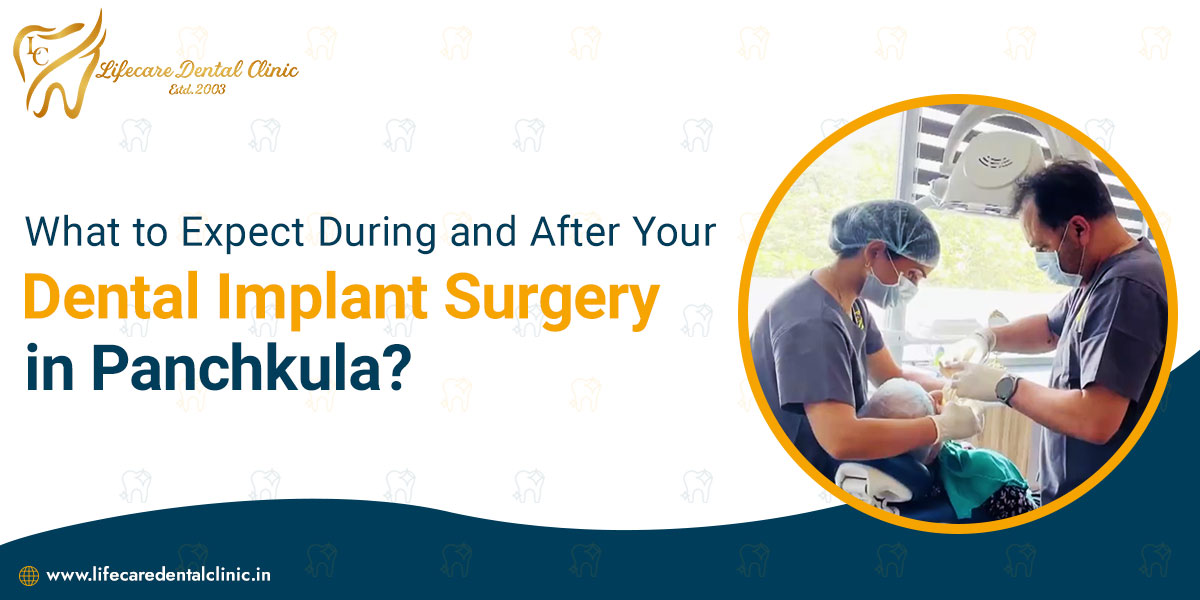
Getting a dental implant in Panchkula is a life-changing decision, but it’s natural to feel a bit nervous about the surgery part. Choosing to get a dental implant is a significant step toward restoring both the function and the aesthetics of your smile. While the word surgery can feel intimidating, understanding the process can replace anxiety with confidence. The procedure is a highly predictable, routine dental treatment designed to replace a missing tooth root with a permanent, medical-grade titanium post. Read on this blog to know what to expect during and after your dental implant surgery.
What Happens During the Surgery?
1. Preparation: Before anything begins, your specialist will ensure you don't feel a thing.
2. Digital Precision: Expert implantologists in Panchkula now use 3D CBCT scans and digital surgical guides. This means the doctor knows the exact millimetre where the implant needs to go before they even start.
3. Placing the Implant: The dentist makes a small, precise incision in the gum to reach the bone. Using specialized, quiet instruments, they create space for the titanium post (the implant). Once the post is secured, the gum is closed often with just one or two dissolvable stitches. You will feel some pressure during this stage, but with modern anesthesia, you should not feel any sharp pain.
What to Expect After Surgery?
Recovery from a dental implant is often described as being easier than a tooth extraction. Here’s a timeline of your healing:
- The First 24–48 Hours: As the anesthesia wears off, you may feel a dull ache. This is easily managed with prescribed painkillers. Minor swelling is normal. Apply an ice pack for 20 mins to your cheek to keep the swelling down. Stick to cold, soft foods. Think smoothies, yogurt, and cold soups.
- Days 3–7: By day three, any swelling usually peaks and begins to subside. You can start introducing semi-soft foods like scrambled eggs, dal-rice, or mashed potatoes. However, do not brush the surgical site directly yet. Instead, use a gentle warm salt-water rinse to keep the area clean.
- After 3–4 Months: This is the phase where your jawbone actually grows around and fuses with the titanium implant. You won't feel this happening, and you’ll be back to your normal routine, but it’s the reason why dental implants last a lifetime.
When to Call Your Dentist?

While complications are rare when treated by expert implantologists in Panchkula, contact your clinic if you experience:
Severe pain that doesn't respond to medication
While some discomfort is normal for 3–5 days post-surgery but pain that is throbbing or unbearable despite taking prescribed painkillers is a major dental emergency. Here are some potential causes:
1. Infection (Peri-implantitis): Bacteria at the implant causing inflammation and pressure.
2. Nerve Damage: If the implant was placed too close to a nerve, you might feel sharp, shooting pains or persistent numbness/tingling.
3. Poor Fit: The implant may not be seated correctly, causing bone or tissue compression.
4. Overheating: Rarely, the bone can be overheated during drilling, leading to a condition called bone necrosis.
What to do: Do not double your dose of medication. Call your dentist immediately. If the pain is accompanied by swelling that makes it hard to breathe or swallow, go to an ER.
Bleeding that doesn't stop with gauze pressure
The active, bright red bleeding that continues despite firm pressure is not normal. Bite down firmly on a fresh piece of damp gauze for 30–60 minutes without stopping to check it. If the gauze is completely soaked through with bright red blood afterward, the clot is not forming. Here are some potential causes:
1. Dislodged blood clot.
2. High blood pressure or use of blood thinners.
3. Irritation of a small blood vessel during surgery.
A high fever or visible pus around the implant
A low-grade fever can be a normal inflammatory response to surgery. However, a fever over 101°F (38.3°C) suggests your body is fighting a systemic infection.
Conclusion
Choosing to restore your smile with dental implants is an investment in your long-term health and confidence. While the recovery process requires patience and careful attention to hygiene, the results are designed to last a lifetime. By following your dentist's post-operative instructions and staying vigilant for any warning signs like persistent pain or fever, you ensure the best possible environment for your implant to heal.
Leave A Reply