
What to Do if You Spot a Hole in Your Tooth?
Published Date: January 14, 2026 Last Update: January 14, 2026
Author: Dr. Kritika Bansal
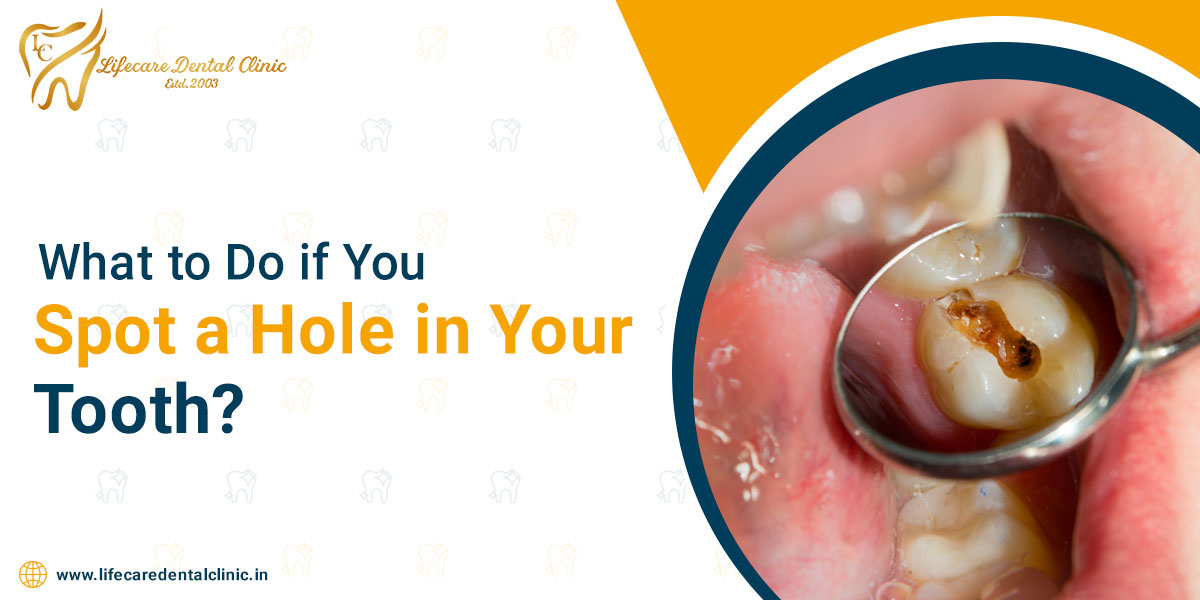
Did you discover a small pit or a dark spot on your tooth? You might be brushing your teeth, looking in the mirror, and suddenly notice a hole in your tooth that wasn't there before. Your mind likely jumps to several questions, like does this mean I need a dental treatment, or can I wait until next month? The truth is, a hole in your tooth is a clear sign that tooth decay has progressed past the initial stages. However, how you respond in the coming days can be the difference between a simple filling, and a complex surgical procedure. Read on to know what a hole in your tooth signifies, how it develops from an early cavity, and why seeking help from experienced dental specialists at the best dental clinic in Chandigarh is your most effective path to recovery.
Understand Why a Hole is Actually Happening
When you see a hole, you are looking at the future dental cavity. Your mouth is a constant battlefield of demineralization and remineralization. When you eat sugars or starches, the bacteria in your mouth produce acid. This acid eats away your tooth enamel, which is the hardest substance in the human body.
Initially, the decay appears as a chalky white spot on the tooth. This is an early cavity, where the mineral content is dissolving, but the structure has not yet collapsed. At this stage, the process can often be reversed with fluoride. If left untreated, the enamel weakens until it literally caves in. This creates the hole in the tooth you now see. Once the hole exists, bacteria have a safe harbor where your toothbrush cannot reach. This begins to eat into the softer layer called dentin, which is much faster to decay than enamel.
What to Do to Manage this Situation?
If you’ve just discovered a hole, don't panic, but do take the following steps to manage the situation until you can get to a professional.
1. After every meal, rinse your mouth with warm salt water. This helps dislodge food particles that might get trapped inside the hole, which would otherwise feed the bacteria and accelerate the decay.
2. Avoid extremely cold or hot beverages, and stay away from highly acidic or sugary foods, which can cause sharp, shooting pains.
3. It can be tempting to try over-the-counter dental cement or temporary filling kits. While these are okay for a 24-hour emergency if you are traveling, they can trap bacteria inside the hole, leading to an abscess. The only permanent solution is professional treatment.
Why You Shouldn't Wait to Visit the Dentist?

Many people residing in Chandigarh delay visiting a dentist because the hole doesn't hurt yet. This is a dangerous misconception. Enamel does not have nerves, so a cavity often doesn't cause pain until it reaches the inner pulp of the tooth. By the time you feel throbbing pain, the tooth decay has likely reached the nerve, which will lead to:
- Root Canal Treatment: Instead of a simple filling, you may need the nerve removed.
- Tooth Loss: If the hole becomes too large, the structural integrity of the tooth fails, and extraction becomes the only option.
- Dental Infection: Dental infections don't stay in the mouth. They can enter the bloodstream, leading to serious health complications.
How Experienced Dental Specialists in Chandigarh Treat a Hole in Your Tooth?
When you visit the best dental clinic in Chandigarh, your treatment isn't a one size fits all approach. Experienced dental specialists in Chandigarh utilize diagnostic tools like digital X-rays and intraoral cameras to see exactly how deep the hole goes.
Step 1: The Dental Examination
A dental specialist will check the depth of the decay. They will look for signs of an early cavity on neighboring teeth to ensure the infection hasn't spread.
Step 2: Removal of Decay
The damaged part of the tooth is carefully removed. Modern clinics in Chandigarh use painless techniques, ensuring you don't feel pain during the cleaning process.
Step 3: Restoring the Tooth
Depending on the size of the hole, the specialist will recommend:
- Composite Fillings: Tooth-colored resins that blend perfectly with your natural smile.
- Inlays/Onlays: If the hole is too large for a filling but doesn't require a crown inlays or onlays dental treatment is required.
- Crowns: A dental crown is a cap like thing that protects a heavily decayed tooth.
How to Prevent the Next Hole Before It Starts?

Once your hole is fixed, the goal is to ensure it never happens again. Preventing tooth decay is significantly affordable and more comfortable than treating it.
- The 2-Minute Rule: Brush twice a day before it turns into a deep hole.
- Interdental Cleaning: If you don't floss, you are leaving 35% of your tooth surfaces uncleaned. Holes often form between teeth where brushes can't reach.
- Routine Check-ups: Visit your dentist every six months. Experienced dental specialists can spot demineralization long before you see a hole in your tooth.
Conclusion
Finding a hole in a tooth is your body's way of sending an emergency signal. While it marks a stage of advanced tooth decay, it is also an opportunity to take action before the situation becomes an emergency. Whether you are dealing with a minor early cavity or a more significant issue, the key is professional treatment. By choosing the best dental clinic in Chandigarh, you ensure that your smile is handled by experienced dental specialists who can restore your oral health with precision and care.
Leave A Reply