
From a Small Cavity to a Root Canal: How Early Treatment Can Save Your Tooth
Published Date: June 13, 2026 Last Update: June 18, 2026
Author: Dr. Kritika Bansal
Most dental problems do not begin with severe pain. In fact, a cavity often starts so small that you may not notice it at all. There is no swelling, no discomfort, and no obvious sign that anything is wrong. But cavities do not heal on their own. When left untreated, a small area of decay can slowly spread deeper into the tooth. What could have been treated with a simple filling may eventually require a root canal treatment.
At Lifecare Dental Clinic, we often see patients who wish they had addressed their cavity earlier. The good news is that modern dental care offers effective solutions at every stage, from cavity protection treatments to advanced root canal treatment in Chandigarh.
What Exactly Is a Dental Cavity?
A cavity is a permanently damaged area in the tooth caused by bacteria, plaque buildup, and acid attacks on the enamel. Every time we eat or drink, bacteria in the mouth feed on food particles and produce acids. Over time, these acids weaken the enamel and create small holes in the tooth. Without treatment, the decay continues to spread deeper. Common causes include:
- Poor oral hygiene
- Frequent sugary snacks and drinks
- Inadequate brushing and flossing
- Dry mouth
- Plaque buildup
- Irregular dental checkups
Early Signs of a Cavity
One of the reasons cavities become serious is that they often develop silently. You may notice:
- Sensitivity to hot or cold foods
- Pain while eating sweets
- Small dark spots on teeth
- Food getting stuck in certain areas
- Mild tooth discomfort
- Bad breath
In many cases, patients do not feel anything until the cavity has already reached deeper layers of the tooth.
Why Early Cavity Protection Matters?
The earlier a cavity is detected, the simpler the treatment usually is. Dental cavity protection treatments focus on preventing decay from progressing and protecting healthy tooth structure. Depending on the situation, your dentist may recommend:
- Professional fluoride treatments
- Dental sealants
- Preventive fillings
- Routine professional cleanings
- Improved oral hygiene practices
Early intervention often helps avoid more complex procedures in the future.
What Happens If a Cavity Is Ignored?
A cavity does not stop growing. As decay progresses, it moves through the enamel and into the dentin, the softer layer beneath the tooth surface. Eventually, bacteria can reach the pulp, which contains the tooth's nerves and blood vessels. At this stage, symptoms may include:
- Persistent toothache
- Severe sensitivity
- Swelling around the tooth
- Pain while chewing
- Tooth infection
- Abscess formation
This is often when root canal treatment becomes necessary.
Understanding Root Canal Treatment

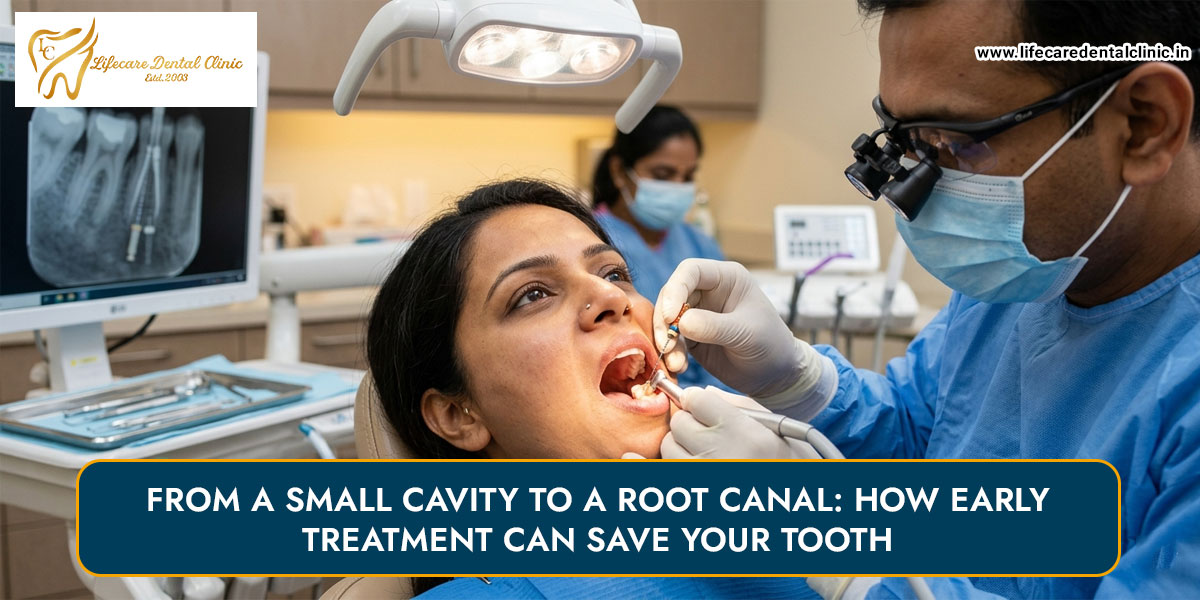
Many people become nervous when they hear the words "root canal." The reality is that modern root canal treatment is designed to relieve pain, not cause it. A root canal is performed when the pulp inside the tooth becomes infected or severely damaged.
During the procedure, the infected tissue is carefully removed, the canals are cleaned and disinfected, and the tooth is sealed to prevent further infection. The goal is to save your natural tooth whenever possible.
Signs You May Need a Root Canal
You should consult a dentist if you experience:
- Persistent tooth pain
- Pain while chewing
- Sensitivity that lingers after eating or drinking
- Swollen gums near a tooth
- Darkening of a tooth
- Recurring dental abscesses
Not every toothache requires a root canal, but these symptoms should never be ignored.
Benefits of Saving Your Natural Tooth
Whenever possible, dentists prefer to preserve natural teeth. Root canal treatment offers several advantages:
- Eliminates infection
- Relieves pain
- Preserves natural chewing ability
- Maintains proper tooth alignment
- Prevents extraction
- Restores normal function
Keeping your natural tooth is often the best long-term solution for oral health.
Modern Root Canal Treatment Is More Comfortable Than Ever
Many people still associate root canals with discomfort because of outdated stories and misconceptions. Today's technology, anesthesia techniques, and treatment methods have made root canal procedures significantly more comfortable.
Most patients report that the procedure feels similar to receiving a dental filling. The greatest relief often comes after the infection has been removed and the pain disappears.
How to Prevent Cavities and Root Canals?
Prevention is always easier than treatment. Simple habits can significantly reduce your risk of tooth decay:
- Brush twice daily with fluoride toothpaste
- Floss regularly
- Limit sugary foods and drinks
- Schedule regular dental checkups
- Get professional teeth cleanings
- Address small dental problems early
Routine dental visits allow cavities to be detected before they become serious.
Why Patients Choose Lifecare Dental Clinic?
At Lifecare Dental Clinic, we focus on both prevention and treatment. Patients trust us for:
- Dental cavity protection treatments
- Advanced root canal treatment in Chandigarh
- Digital diagnostic technology
- Comfort-focused care
- Experienced dental professionals
- Personalized treatment planning
Our goal is to help patients preserve their natural teeth and avoid unnecessary complications.
A Small Cavity Today Can Become a Bigger Problem Tomorrow
Many people postpone treatment because the discomfort seems minor. Unfortunately, tooth decay rarely stays small for long. Early cavity protection treatment can often prevent infection, pain, and the need for more extensive procedures.
If you are experiencing sensitivity, tooth discomfort, or signs of decay, visiting a dentist early may help save both your tooth and your peace of mind. Because when it comes to dental health, prevention is always better than repair.
Leave A Reply