
Best Dentist in Chandigarh for Gaps Between Teeth: Cosmetic Dentistry Options and Porcelain Veneers
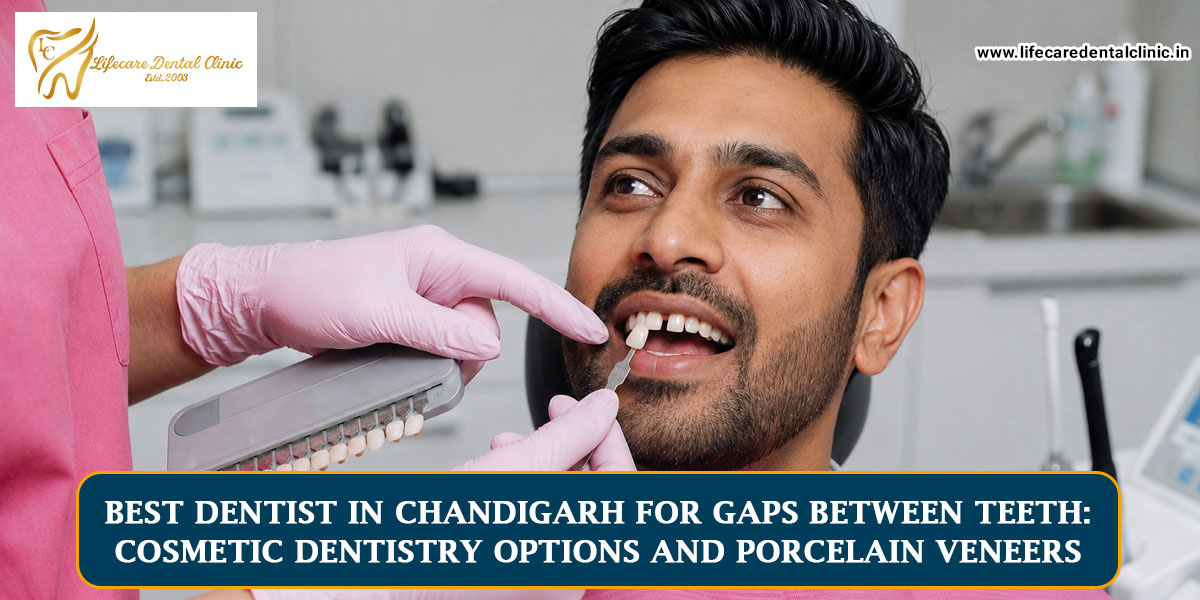
Published Date: September 08, 2026 Last Update: September 08, 2026
Author: Dr. Kritika Bansal
A small gap between your front teeth can be a distinctive part of your smile. For some people, it adds character. For others, especially when the gap has changed over time or affects their confidence, closing it can make a noticeable difference.
The good news is that gaps between teeth can often be treated in several ways. The right option depends on the size and location of the gap, the condition of your teeth and gums, your bite, and what you want your final smile to look like.
If you're searching for the Best Dentist in Chandigarh or a cosmetic dentist in Chandigarh to improve gaps between your teeth, understanding your options is an important first step.
Why Do Gaps Between Teeth Develop?
A gap between two teeth is commonly called a diastema. Although it is often associated with the front teeth, gaps can occur anywhere in the mouth. There isn't one single cause.
Common reasons include:
1. Naturally Small Teeth
Sometimes the teeth are proportionally smaller than the available space in the dental arch. This can create visible spaces even when the teeth themselves are healthy.
2. Tooth Size and Jaw Relationship
The size of your teeth and the size of your jaw influence how much space exists between teeth. A difference between the two can contribute to spacing.
3. Missing Teeth
When a tooth is absent, the surrounding space can become larger and neighboring teeth may gradually move.
4. Gum Disease
Advanced periodontal disease can affect the tissues and bone supporting the teeth. In some patients, this can lead to changes in tooth position and the development or worsening of spaces.
5. Enlarged Frenum
The frenum is the small fold of tissue connecting the inside of the upper lip to the gum. In some cases, an unusually prominent frenum can contribute to a gap between the upper front teeth.
6. Habits and Tooth Position
Certain childhood habits or persistent pressure against the teeth can influence tooth position and spacing.
Because the cause matters, closing a gap should begin with an examination rather than simply choosing a cosmetic procedure.
Are Gaps Between Teeth a Dental Problem?

Not necessarily. A gap can be completely harmless and may simply be part of a person's natural smile. However, a new or increasing gap deserves attention, particularly if it is accompanied by:
- Bleeding gums
- Gum swelling
- Gum recession
- Loose teeth
- Changes in your bite
- Tooth sensitivity
- Food frequently getting trapped
- Bad breath
These symptoms can indicate an underlying dental or periodontal problem. If a gap has appeared suddenly or is becoming larger, your dentist should determine why before considering cosmetic treatment.
How Can Gaps Between Teeth Be Closed?
There isn't one treatment that works for every type of spacing. Depending on the cause and your goals, your dentist may discuss orthodontics, cosmetic bonding, porcelain veneers, or other restorative options.
1. Orthodontic Treatment

Braces or clear aligners can gradually move teeth into a more appropriate position. This approach is particularly useful when the gap is related to the position of the teeth rather than their size. Orthodontic treatment can also address other concerns at the same time, such as:
- Crowding
- Uneven spacing
- Overbite
- Underbite
- Crossbite
- Tooth rotation
The main advantage is that orthodontics moves the natural teeth rather than covering them with a restoration. However, treatment usually takes longer than cosmetic bonding or veneers.
2. Cosmetic Dental Bonding
For small gaps, dental bonding can sometimes provide a relatively conservative cosmetic solution. A tooth-colored composite material is carefully shaped onto the sides of the teeth to reduce the visible space. Bonding can be useful when:
- The gap is relatively small
- Teeth are otherwise healthy
- Only a modest change in tooth shape is required
- You want to preserve as much natural tooth structure as possible
The dentist carefully matches the material to your natural tooth shade and shapes it to maintain a balanced appearance. One limitation is that composite can eventually stain, chip, or wear, particularly when exposed to strong biting forces.
3. Porcelain Veneers for Gaps Between Teeth

Porcelain veneers are thin, custom-made restorations designed to cover the visible front surface of a tooth. They can change the appearance of tooth shape, size, proportion, and color.
For selected patients with gaps between their front teeth, veneers can create a more balanced smile by altering the visible width of the teeth. They may be considered when a patient also wants to address concerns such as:
- Discoloration
- Minor chips
- Uneven tooth shape
- Small spaces
- Slightly irregular tooth proportions
However, porcelain veneers aren't appropriate for every gap.
The dentist needs to evaluate the health of the teeth and gums, the bite, the amount of tooth structure available, and the amount of space that needs to be closed.
Why Porcelain Veneers Shouldn't Be Chosen Simply to Close a Gap?
It's easy to assume that veneers are the quickest solution to a spacing problem. But cosmetic dentistry should be planned around the patient's anatomy, not simply the desired appearance.
If veneers are made too wide to close a large gap, the resulting teeth may look disproportionate or unnatural. In some situations, orthodontic treatment may be a better choice because it moves the teeth rather than changing their shape.
In other cases, bonding may provide the desired improvement with less alteration to the natural teeth. This is why a consultation with an experienced cosmetic dentist in Chandigarh is important before deciding on veneers.
What Makes a Smile Look Natural After Gap Closure?
Closing a gap is not simply a matter of making two teeth wider. A well-planned smile takes several factors into account.
1. Tooth Proportion
The width and length of the teeth should complement each other.
2. Facial Features
The smile should suit your facial proportions rather than follow a one-size-fits-all template.
3. Tooth Color
If restorations are being placed, their shade should harmonize with the surrounding teeth.
4. Gum Line
The position and shape of the gums influence how the final smile looks.
5. Midline
The relationship between the center of your front teeth and the center of your face can affect smile symmetry.
6. Bite
The restoration needs to function properly when you bite and chew. A cosmetic dentist considers all of these factors when planning treatment.
What If You Have Gum Disease and Gaps Between Your Teeth?
This is an important distinction. If tooth spacing is associated with gum disease, simply closing the gap cosmetically does not address the underlying problem.
Periodontal disease can damage the tissues and bone supporting the teeth. Treating the gum condition and stabilizing oral health should come before elective cosmetic procedures.
Your dentist may recommend:
- Professional periodontal cleaning
- Improved home care
- Periodontal evaluation
- Monitoring of gum and bone health
- Additional periodontal treatment when necessary
Once your gums are healthy and stable, your dentist can determine whether cosmetic or orthodontic treatment is appropriate.
Porcelain Veneers vs. Bonding vs. Clear Aligners
If you're deciding how to close gaps between teeth, comparing the options can make the decision easier.
| Treatment | Main advantage | Important consideration |
|---|---|---|
| Clear Aligners | Moves natural teeth into a new position | Requires consistent wear and takes time |
| Braces | Effective for many alignment and bite problems | More visible and generally requires a longer treatment period |
| Composite Bonding | Conservative option for selected small gaps | Material can chip or stain over time |
| Porcelain Veneers | Can address spacing along with tooth shape and color | Requires careful cosmetic and functional planning |
There is no universally "best" treatment.
The best option is the one that addresses the cause of the spacing while meeting your functional and aesthetic goals.
Can Porcelain Veneers Last for Many Years?
Porcelain veneers are designed as long-term restorations, but they aren't permanent. Their longevity depends on factors such as:
- Oral hygiene
- Bite forces
- Teeth grinding or clenching
- Quality of the restoration
- Tooth preparation
- Diet and habits
- Regular dental maintenance
Patients who grind their teeth may need additional protection, such as a night guard, depending on their dentist's assessment. Even when veneers remain in good condition, they may eventually require replacement.
That's why choosing veneers should be considered a long-term dental decision rather than a temporary cosmetic treatment.
What Happens During a Veneer Consultation?
A proper cosmetic consultation involves more than choosing a shade. Your dentist will assess:
- Your teeth: Existing decay, cracks, old restorations, enamel condition, and tooth proportions.
- Your gums: Inflammation, recession, bleeding, and overall periodontal health.
- Your bite: How your upper and lower teeth come together and where biting forces are concentrated.
- Your smile: Tooth display, symmetry, proportions, gum line, and overall facial balance.
- Your expectations: What you want to change and how natural or dramatic you want the final result to look.
In some cases, photographs, digital scans, diagnostic models, or other records are used to plan treatment.
Can a Dentist Close a Gap Without Veneers?
Yes. Depending on the cause and size of the gap, alternatives can include:
- Clear aligners
- Traditional braces
- Composite bonding
- Treatment of gum disease
- Replacement of a missing tooth
- A combination of treatments
This is one reason you shouldn't decide on veneers simply because you want to close a gap. An examination can reveal whether the problem is related to tooth position, tooth size, missing teeth, gum health, or another factor.
Choosing the Best Dentist in Chandigarh for Cosmetic Dental Treatment
When searching for the Best Dentist in Chandigarh, especially for cosmetic treatment, look beyond photographs of finished smiles.
Ask whether the dentist:
- Evaluates your overall oral health first
- Explains different treatment options
- Considers your bite before cosmetic treatment
- Discusses the limitations of each procedure
- Explains how much natural tooth structure will be affected
- Provides realistic expectations
- Plans the shape and proportions of restorations carefully
- Provides maintenance guidance after treatment
Cosmetic dentistry should enhance your smile without compromising healthy teeth or function.
Why Choose Lifecare Dental Clinic?
At Lifecare Dental Clinic, cosmetic treatment begins with understanding what you want to change and why. If you're concerned about gaps between teeth, our dental team can assess whether the spacing is primarily related to tooth position, tooth proportions, missing teeth, gum health, or another factor.
Depending on the findings, suitable treatment options can be discussed, including orthodontic treatment, cosmetic bonding, porcelain veneers, or restorative treatment.
The aim is not simply to close a space. It is to create a result that looks balanced, functions comfortably, and fits your overall smile.
If you're considering porcelain veneers or searching for a cosmetic dentist in Chandigarh, a personalized consultation is the right place to begin.
Frequently Asked Questions
1. What is the best treatment for gaps between teeth?
There is no single treatment for every patient. Small gaps may be treated with bonding, while orthodontics may be more appropriate when tooth position is the main cause. Porcelain veneers can be considered when changing tooth shape, size, and color is also part of the patient's cosmetic goals.
2. Can porcelain veneers close gaps between teeth?
Yes, porcelain veneers can close selected gaps between front teeth by changing the visible shape and width of the teeth. However, they are not suitable for every type or size of gap and require a thorough dental and bite assessment.
3. Are veneers better than braces for closing gaps?
Not necessarily. Braces or clear aligners move the natural teeth, while veneers alter the appearance of the teeth. The appropriate choice depends on the cause of the gap, your oral health, bite, treatment goals, and how much change is required.
4. Can gaps between teeth come back after treatment?
Yes, spacing can recur in some cases, particularly after orthodontic treatment if retainers aren't used as advised. Your dentist or orthodontist will recommend an appropriate retention plan.
5. Can gum disease cause gaps between teeth?
Advanced periodontal disease can affect the supporting tissues and bone around teeth and may contribute to tooth movement and spacing. If a gap is accompanied by bleeding gums, recession, swelling, or loose teeth, the underlying gum condition should be evaluated.
6. Is dental bonding or porcelain better for small gaps?
Both can be appropriate in selected cases. Bonding generally involves less alteration of the natural tooth and can be useful for small cosmetic changes. Porcelain veneers offer a more comprehensive change in shape and color but require more extensive planning and are a long-term restorative commitment.
7. How do I find the best cosmetic dentist in Chandigarh?
Look for a dentist who evaluates your oral health and bite, explains alternatives, provides realistic expectations, and creates a treatment plan based on your individual facial and dental proportions rather than applying the same cosmetic design to every patient.
Leave A Reply